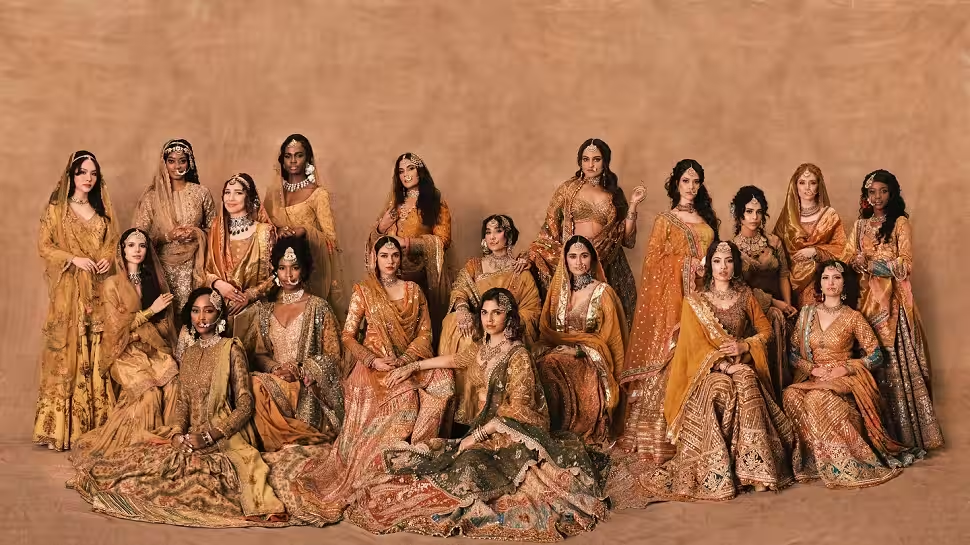
Lucknow’s courtesans: Heera mandi of Lucknow
Lucknow’s courtesans, often referred to as tawaifs, had a complex history under British rule.
- Before the British: Tawaifs were respected entertainers, skilled in music, dance, and poetry. They held positions in the Awadh court, providing cultural enrichment for the elite.
- The British View: The British, with their Victorian morals, saw the tawaifs through a narrow lens. They called them “nautch girls” (a corruption of “nach” meaning dance) and focused solely on the dance aspect, ignoring their artistic merit.
- Loss of Status: British social reforms and a desire to control “immorality” led to a decline in the tawaifs’ status. Their kothas (homes) were seen as brothels, and their artistry was disregarded.
- Regulation and Exploitation: With British cantonments (military settlements) in Lucknow, came a need to manage prostitution for soldiers’ health. Laws like the Contagious Diseases Acts enforced registration and medical examinations, reducing the women to mere commodities.
- Resistance: Some tawaifs defied this marginalization. There’s evidence of them using their wealth and influence to support the 1857 rebellion against the British.
That’s how British rule had a negative impact on Lucknow’s courtesans. Their artistic heritage was lost, and they were subjected to exploitation and social stigma.

admin


