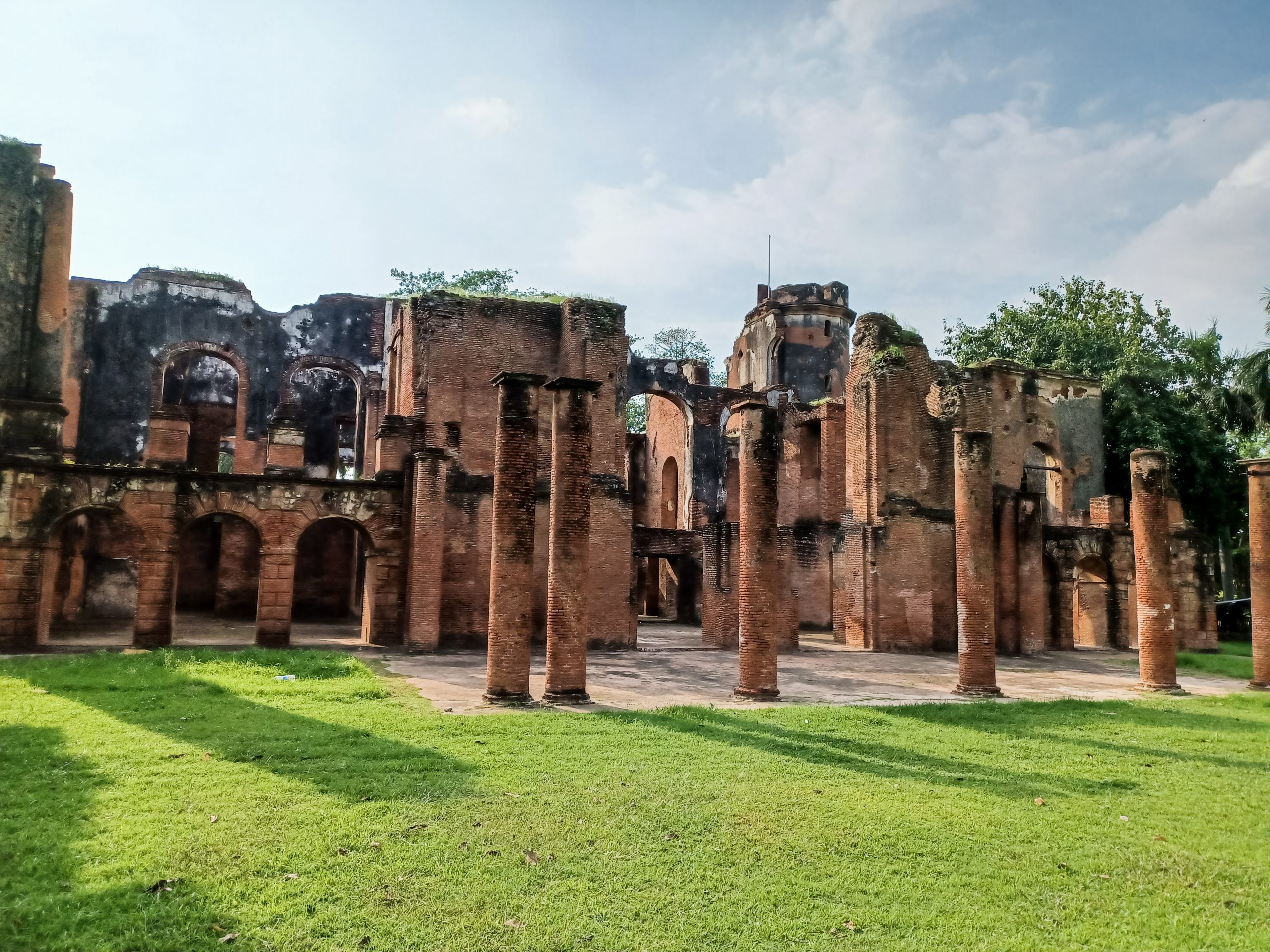
Lucknow, the capital city of Uttar Pradesh in northern India, is a place where history, culture, and modernity seamlessly blend. Located on the banks of the Gomati River, roughly 72 kilometers northeast of Kanpur, this vibrant city has long been a significant center in India’s historical and cultural landscape.
Historical Significance
Lucknow’s historical importance can be traced back to 1528 when it was captured by Bābur, the first Mughal emperor of India. Under his grandson Akbar, the city became part of the larger Oudh (Awadh) province, an area renowned for its cultural and political significance.
The city’s prominence grew further in 1775 when Āṣaf al-Dawlah, the Nawab of Oudh, transferred his capital from Faizabad to Lucknow. This move marked the beginning of Lucknow’s transformation into a hub of culture, art, and architecture. The Nawabs of Oudh were great patrons of the arts, and under their reign, Lucknow flourished as a center of music, dance, and poetry, particularly the classical forms of Kathak dance and the ghazal genre of poetry.
The Indian Mutiny of 1857
Lucknow played a crucial role during the Indian Mutiny of 1857, also known as the First War of Indian Independence. Sir Henry Lawrence, the British commissioner, along with European residents, was besieged in the city for several months until British troops eventually rescued them. The Residency, the site of this famous siege, remains one of the best-preserved monuments in the city. It stands as a testament to the intense struggle and is now a popular tourist attraction and a poignant reminder of the past.
Architectural Marvels
Lucknow is home to several architectural gems that reflect its rich historical legacy. One of the most iconic structures is the Great Imāmbāṛā, built in 1784 by Āṣaf al-Dawlah. This grand, single-storied structure is where Shiʿi Muslims gather during the month of Muḥarram. Another architectural wonder is the Rumi Darwaza, or Turkish Gate, which was modeled after the Sublime Porte in Istanbul. This imposing gateway, also constructed in 1784, stands as a symbol of the city’s historical ties to the broader Islamic world.
The city is also home to the Residency, the site of the 1857 siege, which has been remarkably preserved over the years. In 1957, a memorial was erected within the Residency complex to commemorate the Indians who lost their lives during the uprising, further embedding the site in the annals of history.
Modern Lucknow: A Growing Metropolis
In addition to its historical and cultural significance, Lucknow has emerged as a bustling metropolis. It is a key transportation hub, situated at the junction of several major roads and rail lines. The Chaudhary Charan Singh International Airport, located about 10 kilometers southwest of the city center, connects Lucknow with the rest of the country and the world.
The city is a thriving marketplace for agricultural products like mangoes, melons, and grains. Lucknow’s industries are diverse, including food processing, manufacturing, handicrafts, and railroad shops. In the early 21st century, the city’s population surpassed that of Kanpur, making it the most populous city in Uttar Pradesh.
Education and Culture
Lucknow is also a center of education and research, home to prestigious institutions like the University of Lucknow, established in 1921, a renowned music academy, an institute of Muslim theology, the Central Drug Research Institute, and an arts-and-crafts college. The city also boasts a state museum, a botanical garden, and a national zoological garden, making it a hub of knowledge and cultural preservation.
Lucknow is a city where the past and present coexist harmoniously. From its historic monuments and architectural marvels to its vibrant cultural scene and growing economy. Whether you’re exploring its history or experiencing its modern vibrancy, Lucknow offers a unique and enriching experience that leaves a lasting impression on all who visit.
Reference: Lucknow | City, History, & Population | Britannica


🌱 Contribute your ideas and help us build a good conversation.